
Milestone Markers: Tracking Growth Without the Stress
You don't need expensive cards or perfect setups. Simple markers and a camera phone are enough to capture the moments that matter.
Skip the fancy packaging that sits on a shelf. Here's what works for parents who actually want to open and add to their box over the years.
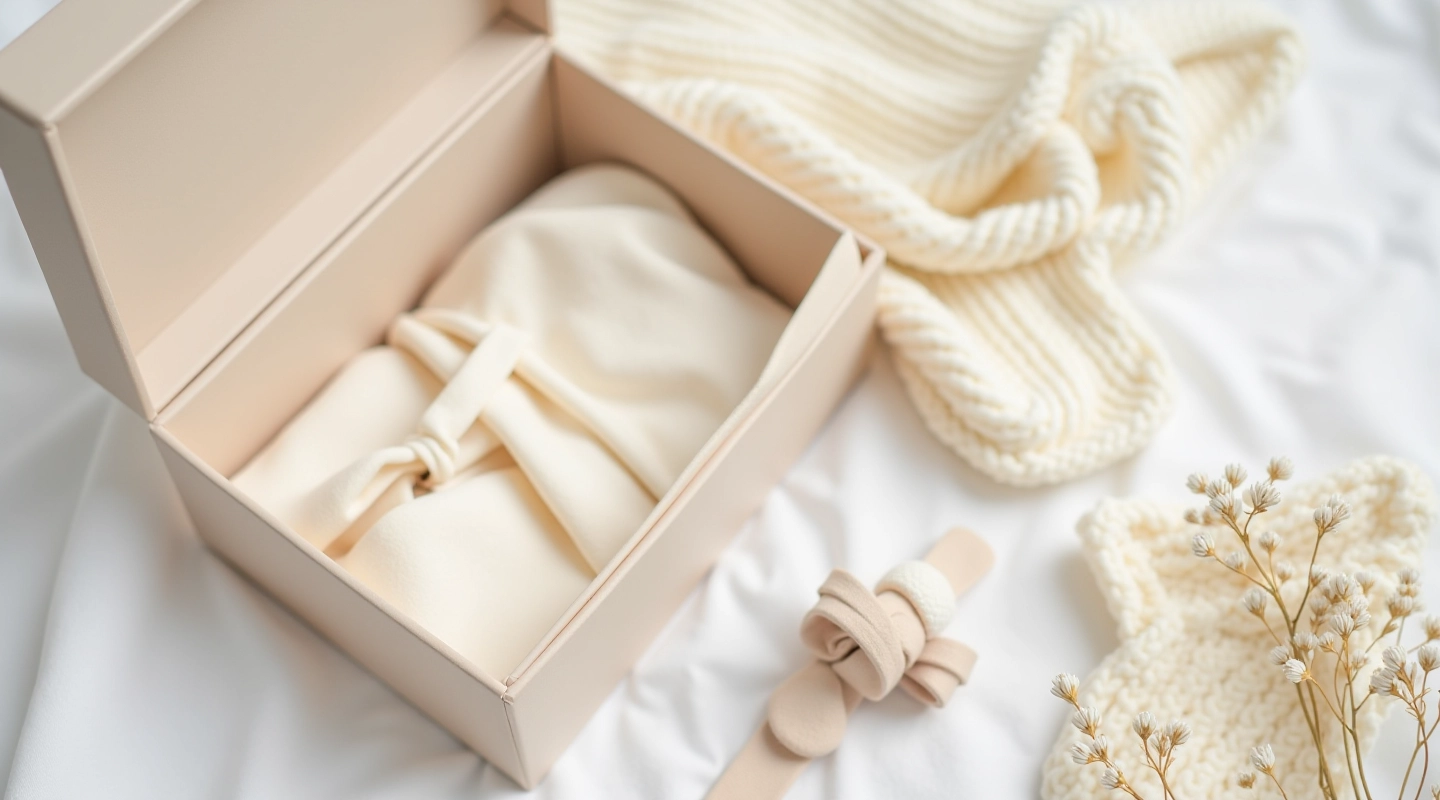
There's something special about opening a keepsake box after years and finding it actually full of memories. Not empty. Not gathering dust in a closet. Actually used.
The difference between a box that gets opened regularly and one that sits forgotten? It's not about how much you spend on it. It's about how easy you've made it to use.
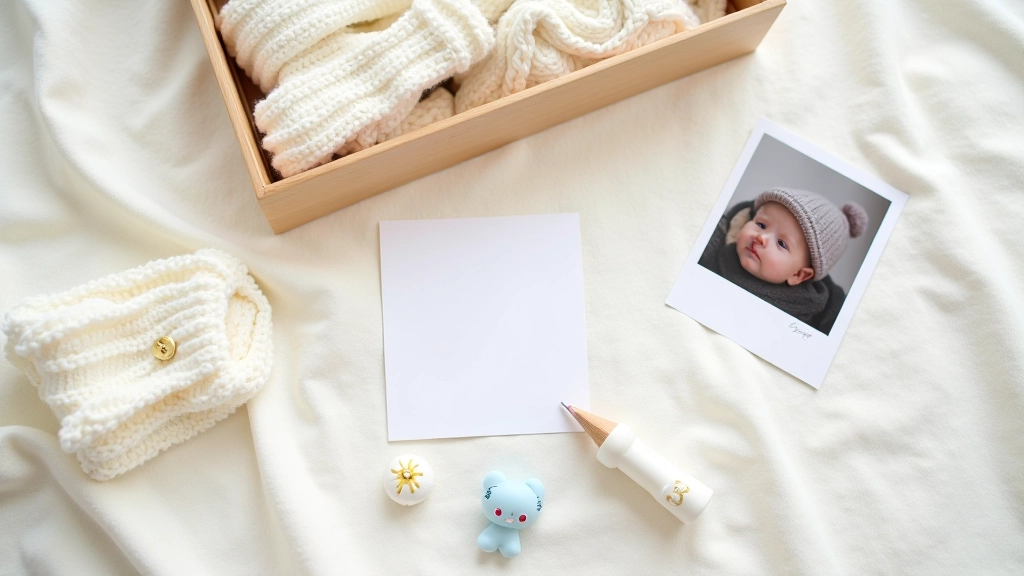
Parents who succeed with keepsakes tend to focus on items that are genuinely easy to grab and toss in. Hospital bracelets, the first onesie worn, a lock of hair clipped during the first haircut. These don't require thinking or deciding if they're "worthy" enough.
What usually doesn't make it in? Anything that requires framing, pressing, or arranging first. Anything that needs to be preserved in a specific way. Those intentions fade pretty quickly when you're managing a toddler's schedule.
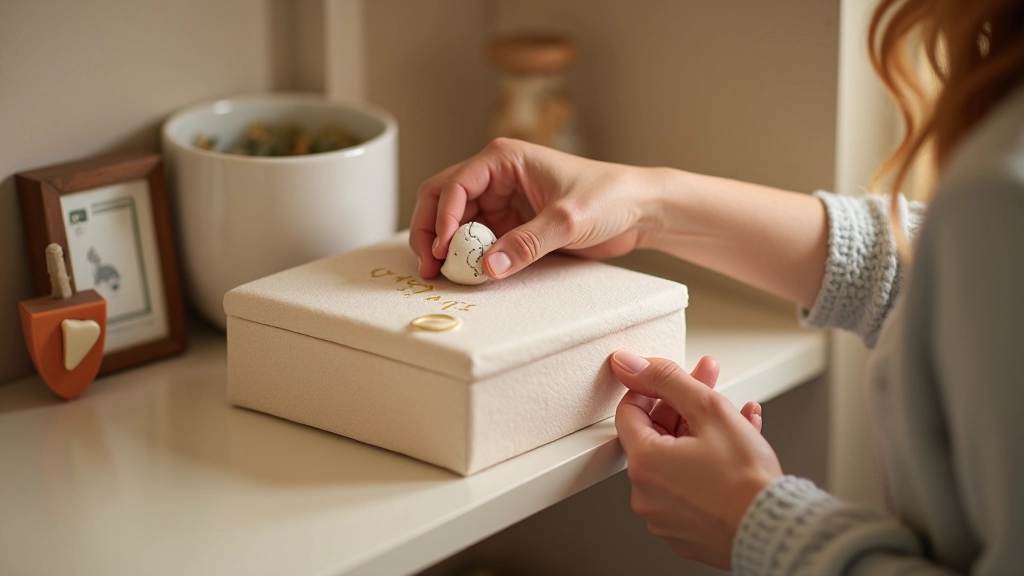
The box itself should be sitting somewhere visible—not packed away in a closet. If you see it regularly, you'll naturally think of things to add. It's not about willpower. It's about proximity.
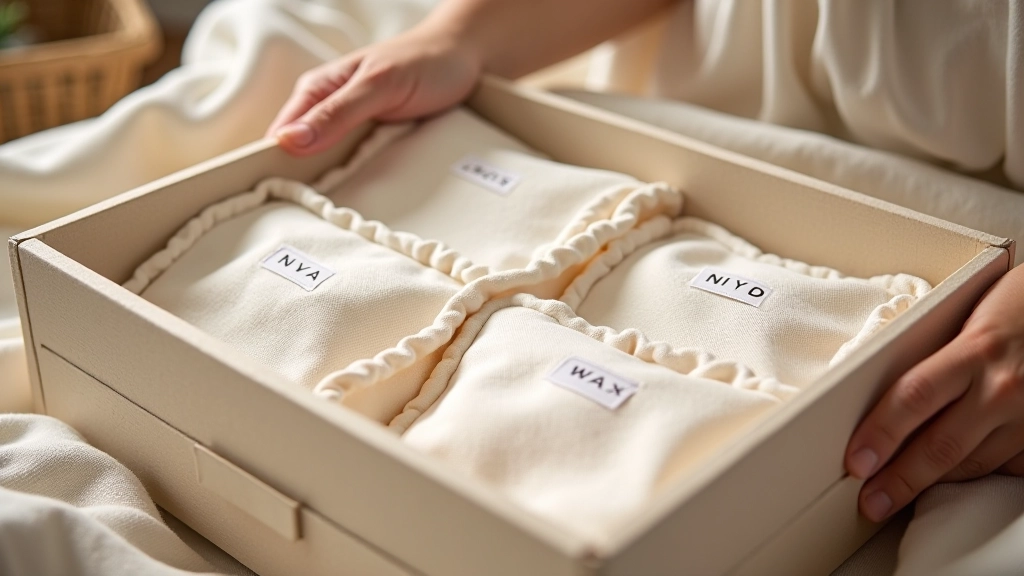
You'll want a box with clear sections or compartments inside. Not because everything needs to be perfectly organized, but because when things are divided by category—first year items, clothing, documents, photos—you're more likely to know where to find something when you want to show it to your child.
Soft dividers work better than rigid ones. They flex as you add more items without creating that frustrating "it's full" moment that stops you from adding the one thing you really want to keep. We're talking simple fabric sections, not intricate filing systems.
Don't overthink what goes in. Seriously. If your instinct is "I want to keep this," then it belongs in the box. You're not building a museum exhibit. You're capturing moments that matter to you.
The boxes that get used year after year tend to have a mix—some precious items, sure, but also everyday things that remind you of a specific time. A favorite bib with stains still on it. The book you read at bedtime constantly during year one. A wrapper from a snack they were obsessed with at age three.
These "ordinary" items often become the most meaningful ones down the road. They're specific to your family's actual life, not someone's idea of what a keepsake should be.
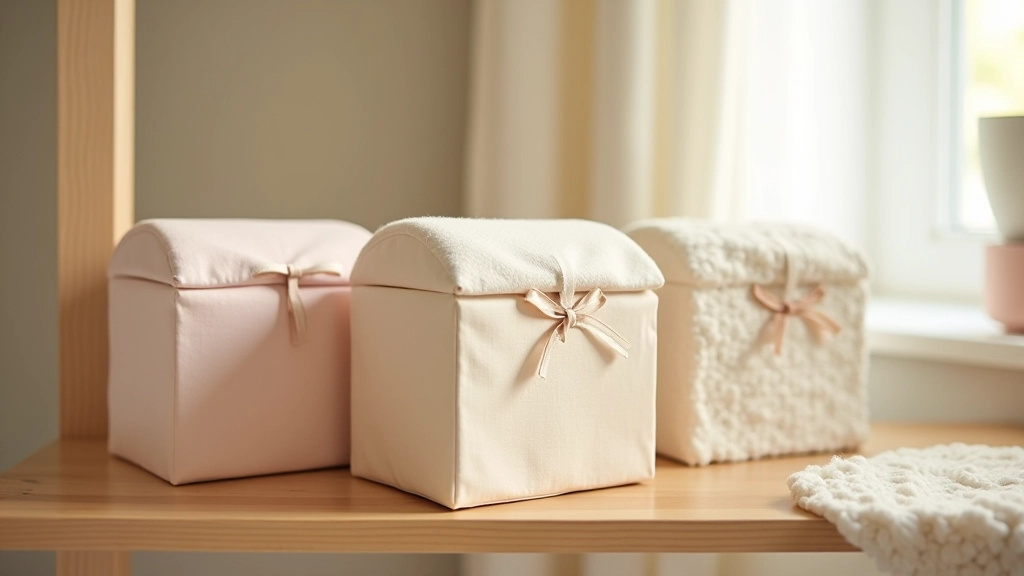
You don't need a box made of expensive wood or fancy cardboard to make it last. What matters is that the fabric and stitching can handle being opened and closed regularly for years. Natural fabrics like linen and cotton breathe better than synthetics, which means less moisture buildup inside the box—important for keeping items in good condition.
Avoid boxes with plastic linings or heavily treated fabrics. They can degrade over time, especially in damp environments. A simple, sturdy construction with quality stitching will outlast something that looks more polished but uses weaker materials.
The box itself is just a vessel. What you'll value most is that it held the memories your family created together.
A keepsake box isn't about creating a perfect archive. It's about capturing the feeling of a particular time in your child's life—and your life as a parent. It's something you'll open in ten years and feel transported back to those early days.
When you choose a box that's easy to use, store somewhere visible, and designed with regular access in mind, you're much more likely to actually fill it with memories. That's the whole point.
This article is informational and educational in nature. We've shared practical guidance based on what parents commonly find helpful when organizing and maintaining keepsake boxes. Every family's approach will be different based on their own preferences and circumstances. This content is not intended to be prescriptive—rather, it's meant to help you think through what might work best for your situation. Always consider your family's specific needs when choosing storage methods for important items.
Editorial Team
Written by the fundzone editorial team, focused on practical guidance for choosing and understanding handmade baby keepsakes.
You don't need expensive cards or perfect setups. Simple markers and a camera phone are enough to capture the moments that matter.
What separates a thoughtful keepsake from something mass-produced? We cover the details that make gifts feel genuinely personal.
Not all fabrics and inks hold up over time. We've tested what survives years of opening and handling.