
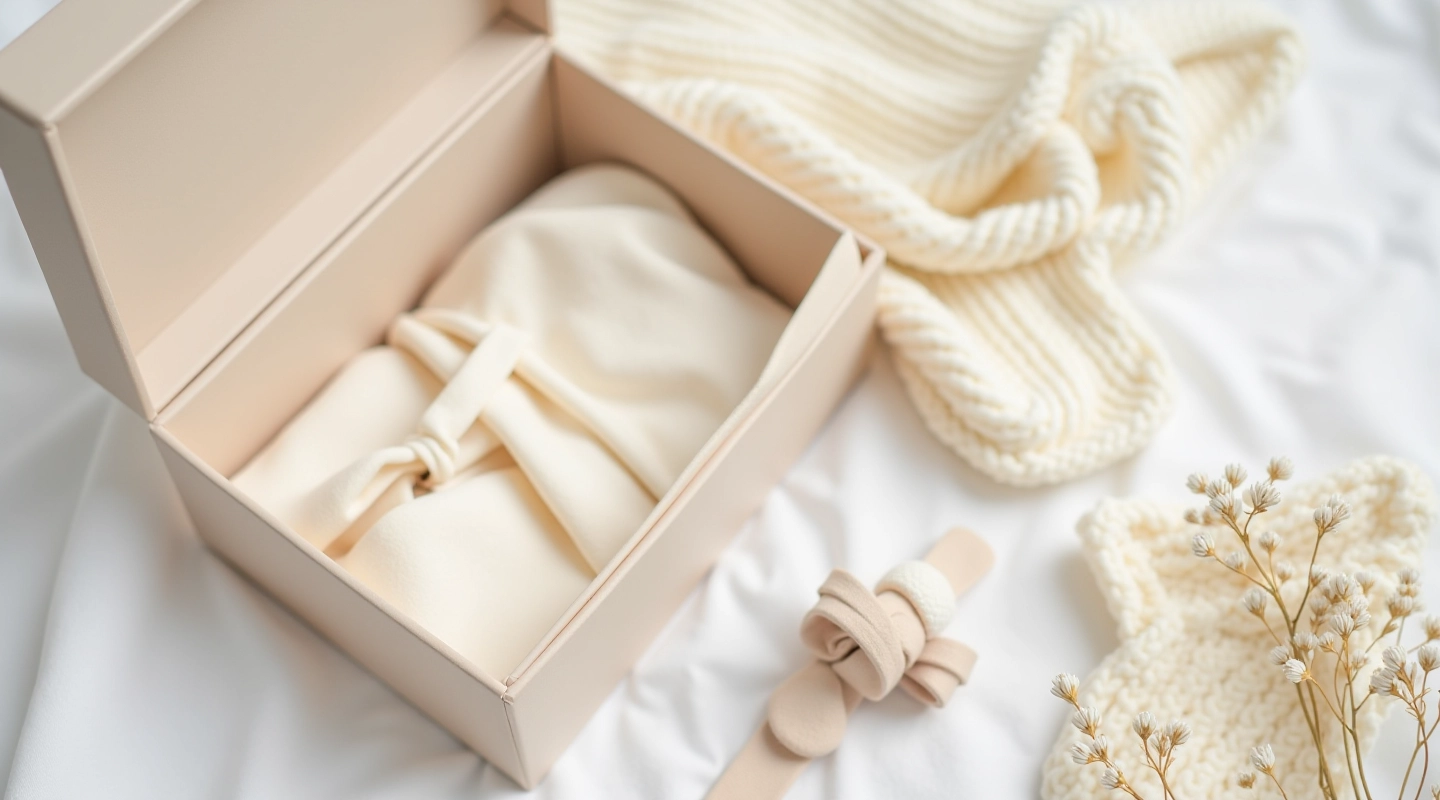
Building a Keepsake Box That Actually Gets Used
Skip the fancy packaging that sits on a shelf. Here's what works for parents who actually need to store and find things.
What separates a thoughtful keepsake from something mass-produced? We cover the details that make parents actually treasure what you give.
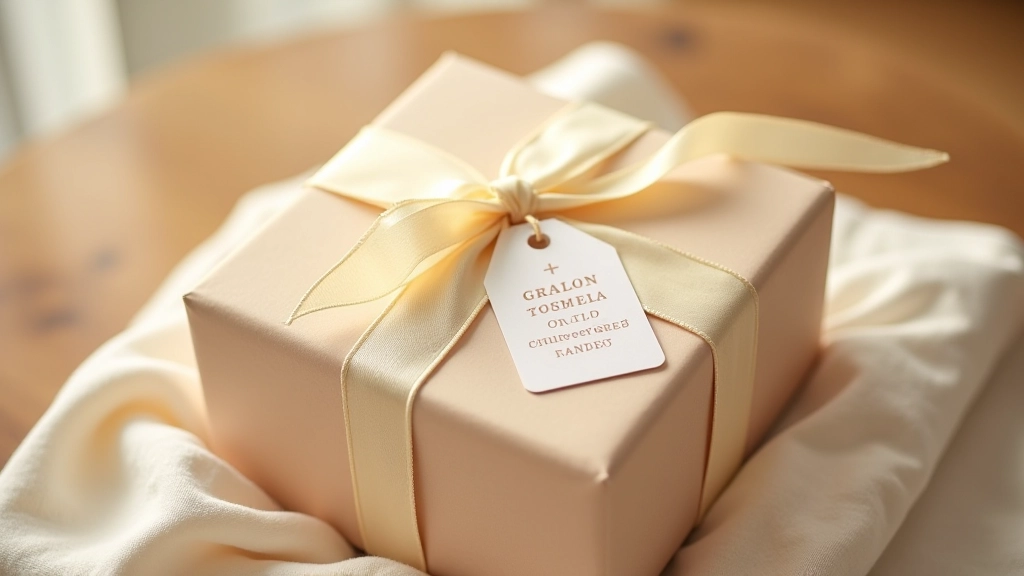
There's a big difference between a gift that sits in a drawer and one a parent pulls out years later. It's not about spending more money or having perfect skills. It's about understanding what actually matters.
The best handmade gifts aren't the ones that look professionally made. They're the ones that feel intentional. A blanket with a date sewn into it. A memory box with details that matter to this family specifically. A keepsake that tells a story nobody else could tell.
Generic gifts have generic details. A standard baby blanket. A plain wooden box. But when you add specificity, everything changes.
Think about what you actually know about this baby and family. The date they were born. Their name. The hospital. A parent's middle name. Their street. The season. The weather that day. These aren't decorative flourishes — they're proof you paid attention.
Real example: Instead of "Baby Keepsake Box," embroider "Eleanor's Box, Born February 14th at St. Luke's." Instead of a generic blanket, add "Mam & Dad's first, 2026" in one corner.
The difference? One took 5 minutes to order online. The other shows you know this specific family. Parents notice. They keep the second one.
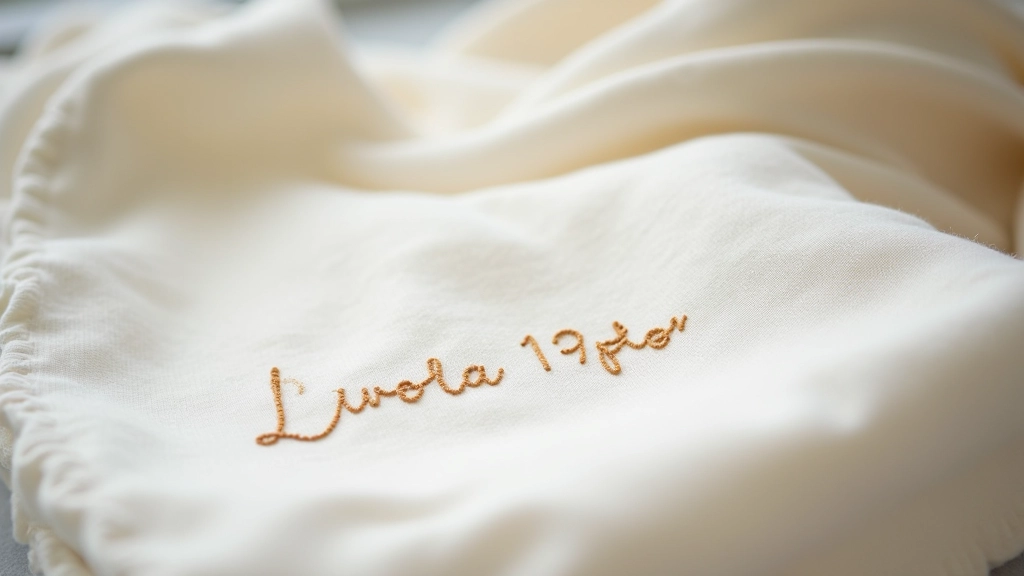
You'll want your gift to last. Not just survive, but actually age well. That means thinking about materials from day one.
Cotton and linen hold up better than polyester. They soften with time instead of pilling. Wooden boxes develop character — small dents and marks become part of the story. Dyes matter too. Quality embroidery thread won't fade like cheap synthetic thread. Inks that bond with fabric stay vibrant for decades.
The practical truth: You're not just making a gift for now. You're making something a parent will pull out when the baby turns 10, 18, 30. The materials need to survive that journey. That's why handmade matters — you control every choice.
Here's what separates gifts that get used from gifts that get stored: Does it actually work?
A beautiful blanket that sheds fibers isn't treasured — it's frustrating. A memory box with poor compartments means photos get wrinkled and items get lost. A keepsake that's so precious parents are afraid to touch it sits untouched.
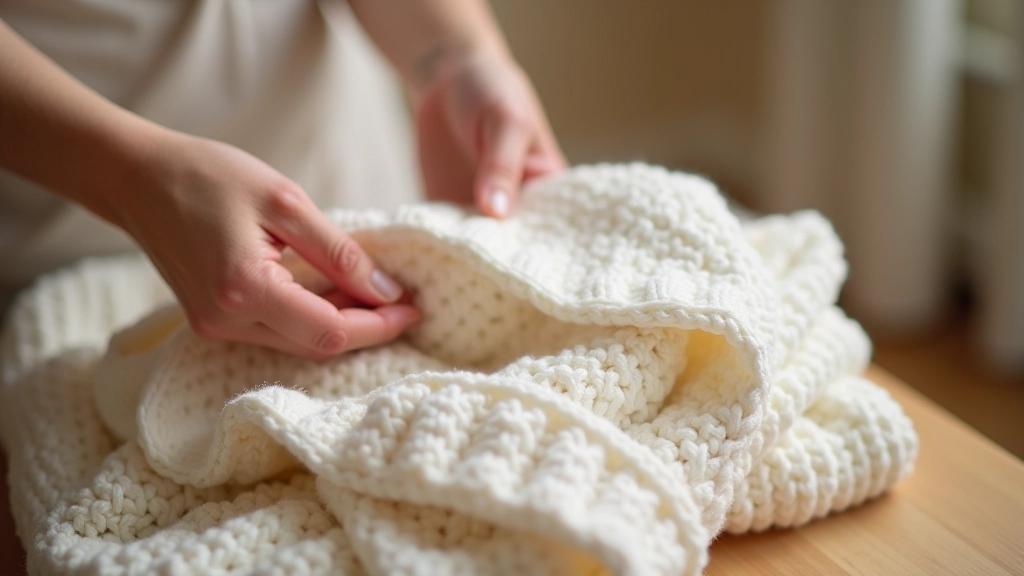
Make them washable. Really washable. Test the embroidery thread before finalizing. Parents will actually use it if it survives the washing machine.
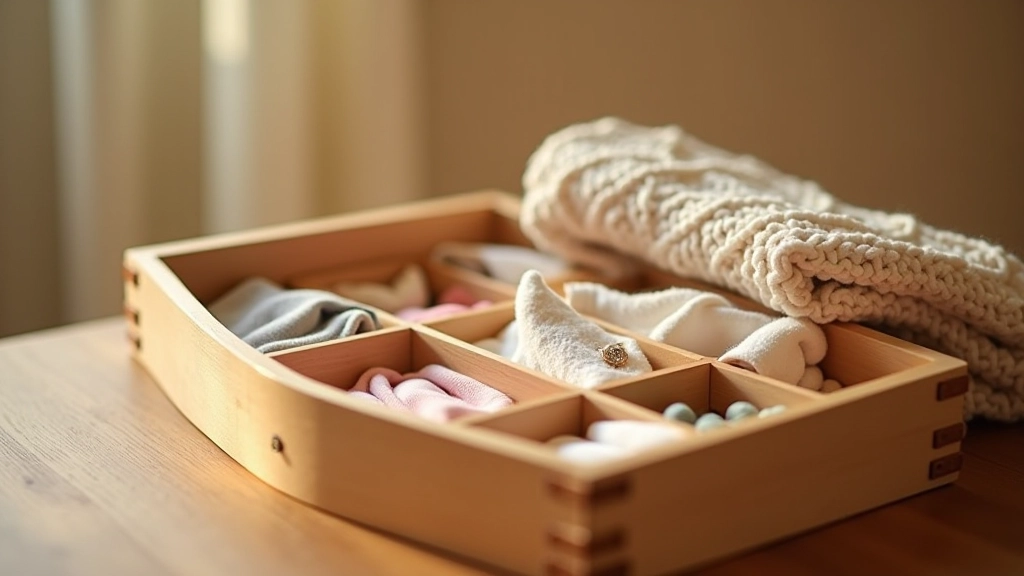
Include dividers or small compartments. Hospital band, first photo, hospital paperwork, first clothing. Give each item a place so nothing gets crushed.
Size it realistically. A onesie for a newborn gets worn for 4 weeks. Size 6-12 months means it actually gets used. Consider the season too.
The gift that gets used weekly is the one that becomes the memory. Not the one that's too precious to touch.
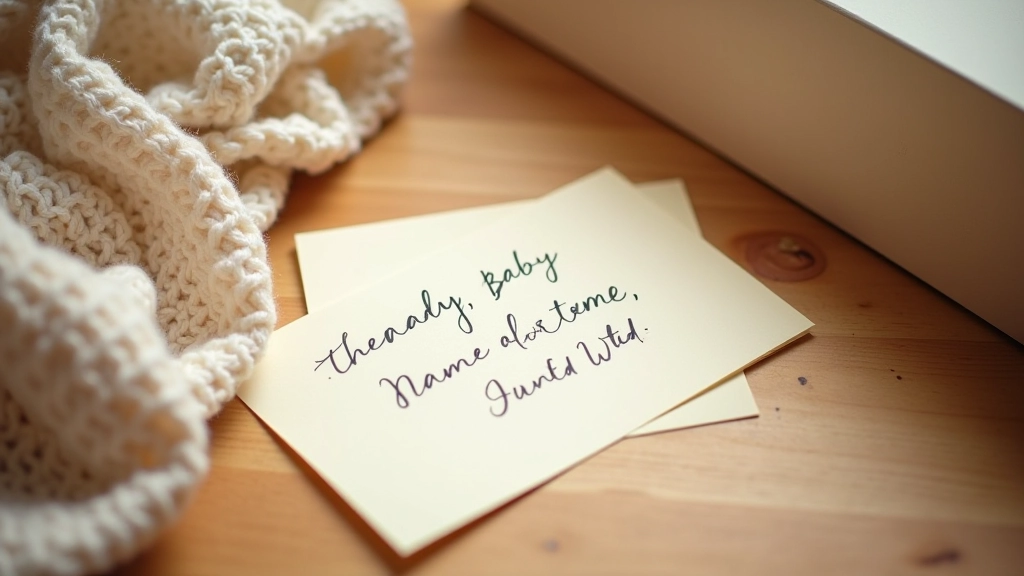
Don't assume parents will understand the thought behind your gift. A handwritten note changes everything.
Write about why you made it. What materials you chose and why they matter. What the specific details mean. If the embroidery includes a date, explain it. If you used a family color or pattern, mention it. If there's a technique or story behind it, share that too.
This isn't about being wordy. A few sentences is plenty. "I made this blanket in cream because that's the color I remember from your nursery photos. The date is when you told us about Eleanor. The stitching took me three weeks because I wanted it to last." That's it. That's everything.
When parents read that card, they'll understand your gift differently. They'll treasure it more. They'll tell people about the thought behind it, not just the object itself.
Mass-produced gifts are faster to order. They're easier. They arrive in nice packaging. But they don't stay in the memory.
Handmade gifts cost something different — your time, your attention, your intention. That's what parents feel when they hold something you made. It's not about perfection. It's about proof that you showed up for this baby, this family, this moment.
When you make a gift personal through specific details, practical materials, actual usability, and honest explanation, you're not just giving an object. You're giving something that becomes part of their story. That's the real difference between generic and meaningful.
This article provides general guidance on creating personalized handmade baby gifts. The suggestions about materials, durability, and design are based on practical experience and common craft best practices. Always test materials for safety, especially items intended for babies. If you're creating gifts for specific allergies or sensitivities, consult with the family directly. Individual results and preferences vary — what works beautifully for one family may not suit another.
Editorial Team
Written by the fundzone editorial team, focused on practical guidance for choosing and understanding handmade baby keepsakes.
Skip the fancy packaging that sits on a shelf. Here's what works for parents who actually need to store and find things.
You don't need expensive cards or perfect setups. Simple markers and a camera phone work just fine.
Not all fabrics and inks hold up over time. We've tested what survives years of washing and storage.