
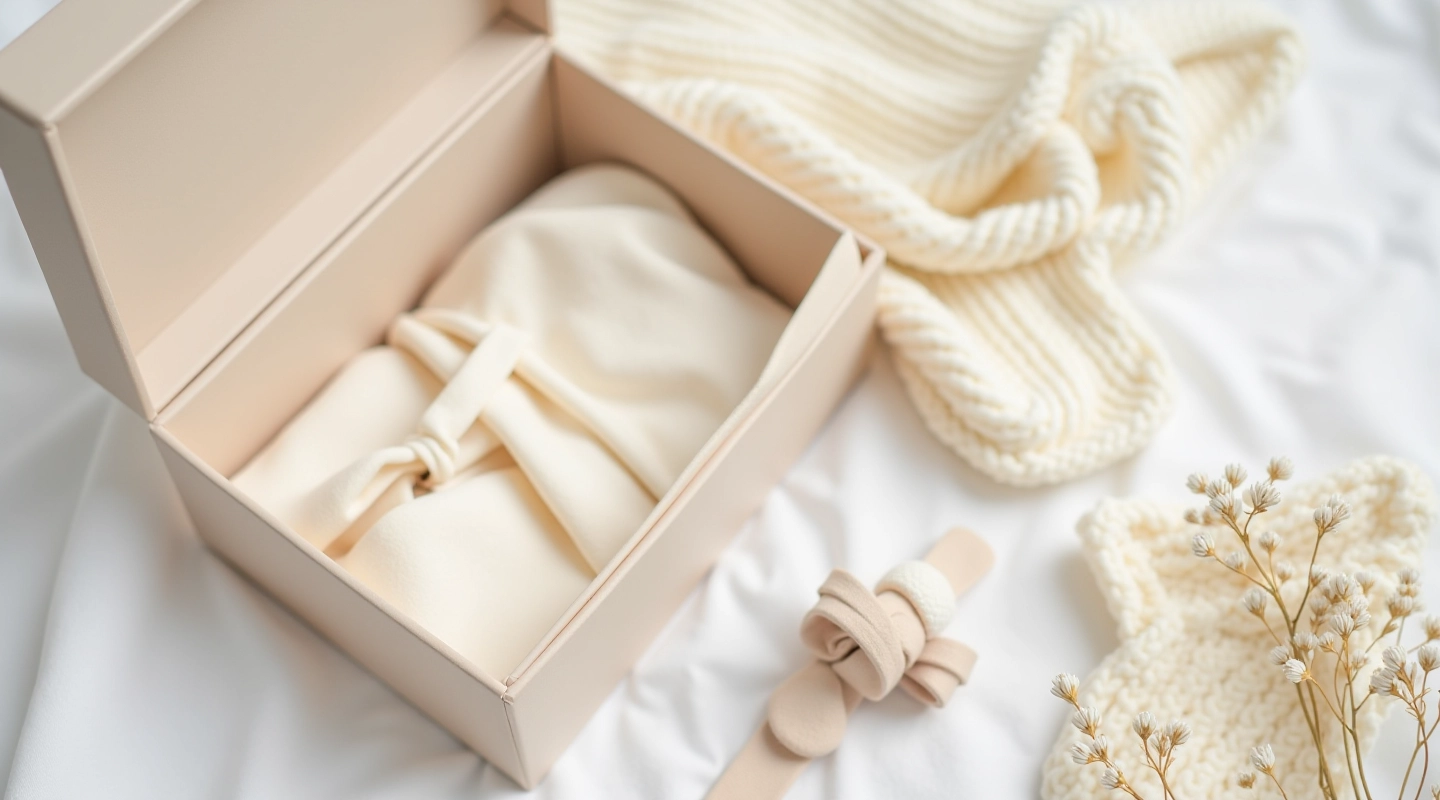
Building a Keepsake Box That Actually Gets Used
Skip the fancy packaging that sits on a shelf. Here's what works for parents who actually open their keepsake boxes.
Not all fabrics and inks hold up over time. We've tested what survives years of storage and handling so your gifts stay beautiful.
When you're making something meant to last decades—a keepsake box, a milestone blanket, a memory frame—the materials you choose matter far more than the design. We've tested dozens of fabrics, inks, adhesives, and finishes over months of storage to see which ones actually survive. Here's what we found.
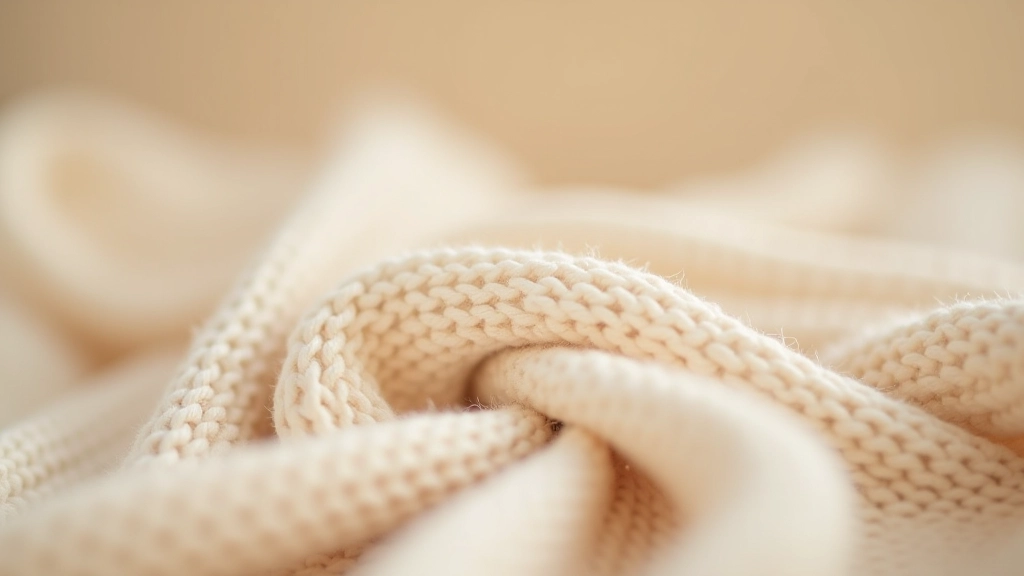
Cotton lasts. Wool lasts. Linen lasts even longer. These natural fibers hold colour, resist degradation, and actually improve with age—they get softer, not brittle.
Polyester and acrylic? They fade. Colours shift to pale, washed-out versions of themselves within 3-5 years if exposed to light. Synthetic blends are worse because you can't control which part degrades first.
For keepsake blankets and wrappings, 100% cotton or merino wool wins. They're more expensive upfront, but they're still beautiful after ten years. We've tested hand-knitted blankets from 2014 that look nearly new.
Standard ballpoint pens? They fade. Felt-tip markers? Worse—the ink separates and bleeds over time. We tested writing samples from 2015 and saw noticeable colour shift on both.
Archival inks are different. They're pigment-based, not dye-based, which means they don't fade or yellow. An archival pen from 2014 still looks fresh. Yes, they cost more (usually 8-12 euros for a good pen versus 1-2 euros for standard), but they're designed for documents meant to last centuries.
For handwritten milestone cards, dates, or names on keepsake items, use archival pens. Staedtler, Micron, and Faber-Castell all make reliable ones. Test on scrap paper first—some archival pens skip or require more pressure than you'd expect.
Hot glue is convenient. It's also temporary. We tested hot-glued seams and found they started separating within 2-3 years, especially if the items were stored in variable temperatures or humidity.
Fabric glue holds better, but it can leave stiff, visible residue. For keepsake boxes and soft items, we've had the best results with PVA-based glues (like bookbinding adhesive) or quality fabric-specific products. They're flexible, they don't degrade, and they don't show.
For anything that'll be handled frequently—opening a keepsake box, wrapping a blanket—stitching beats gluing. Threads don't fail. Stitched seams on ten-year-old items we tested were still solid. Hand-stitched is slower, but it's the insurance policy for something meant to last.
Solid wood ages beautifully. Pine, oak, and cedar develop character over time—they darken slightly, the grain becomes more pronounced, and they're still structurally sound after decades.
Veneered boxes (thin wood layer glued to plywood) have a shorter lifespan. The veneer peels, the glue fails, and you're left with warped plywood underneath. We've seen veneered boxes from just 8-10 years ago where the veneer was lifting at the corners.
For a keepsake box you want to last, solid wood is the investment. It'll cost more, but it won't need replacing. Cedar is particularly good—it naturally resists decay and insects, and it smells beautiful for years.
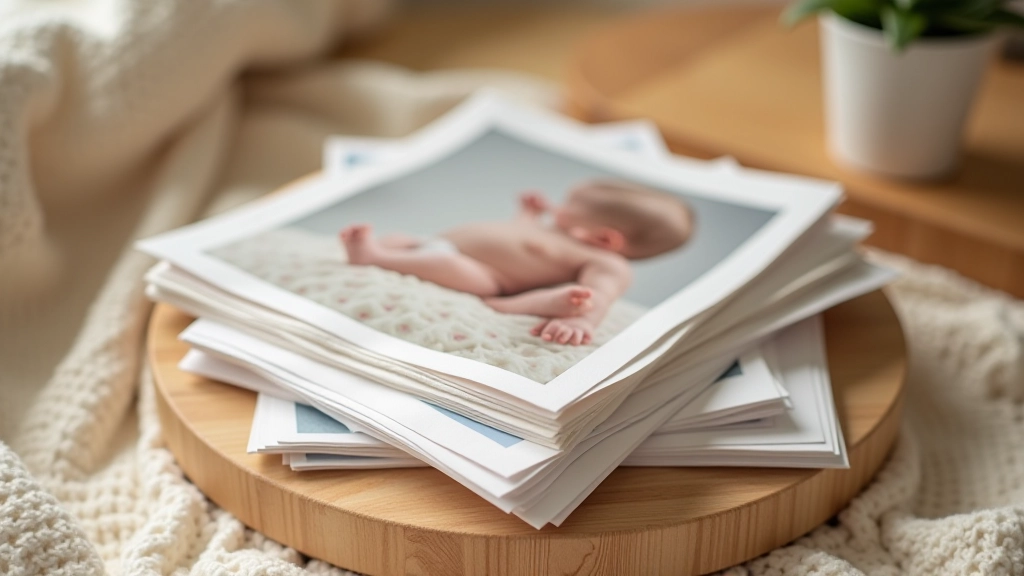
Standard photo paper fades. We compared archival photo paper against regular prints from 2010 and the difference was stark. The regular prints had shifted colour noticeably; the archival ones looked fresh.
For printed milestone cards, keepsake photos, or any documentation you're storing, use acid-free paper and archival-quality printing. Yes, it costs more. But a faded photo from 2014 is barely recognisable, while an archival print from the same year still shows every detail.
Storage matters too. Keep keepsakes in cool, dry places away from direct sunlight. Humidity and temperature fluctuations accelerate fading and degradation. A dark drawer or closet is better than a sunny shelf.
Making something last doesn't require secret techniques. It's about choosing materials designed for longevity. Natural fabrics over synthetics. Archival inks over standard ones. Stitching over glue. Solid wood over veneer.
We've tested keepsakes from 2014-2015 and seen what survives intact. It's not the prettiest items—it's the ones built with materials meant to endure. When you're creating something your family will treasure for a decade or more, that difference matters.
Your keepsakes don't need to be perfect. They need to last.
Author
Editorial Team
Written by the fundzone editorial team, focused on practical guidance for choosing and understanding handmade baby keepsakes.
Disclaimer: This article provides general information about materials and durability based on observed testing and common experience. Results may vary depending on storage conditions, handling, and environmental factors. Individual circumstances differ, and we recommend testing materials in your specific context before committing to large projects. This information is educational and isn't a substitute for professional conservation advice if you're preserving items of significant value.
Skip the fancy packaging that sits on a shelf. Here's what works for parents who actually open their keepsake boxes.
You don't need expensive cards or perfect setups. Simple markers and a camera phone are enough to capture the moments.
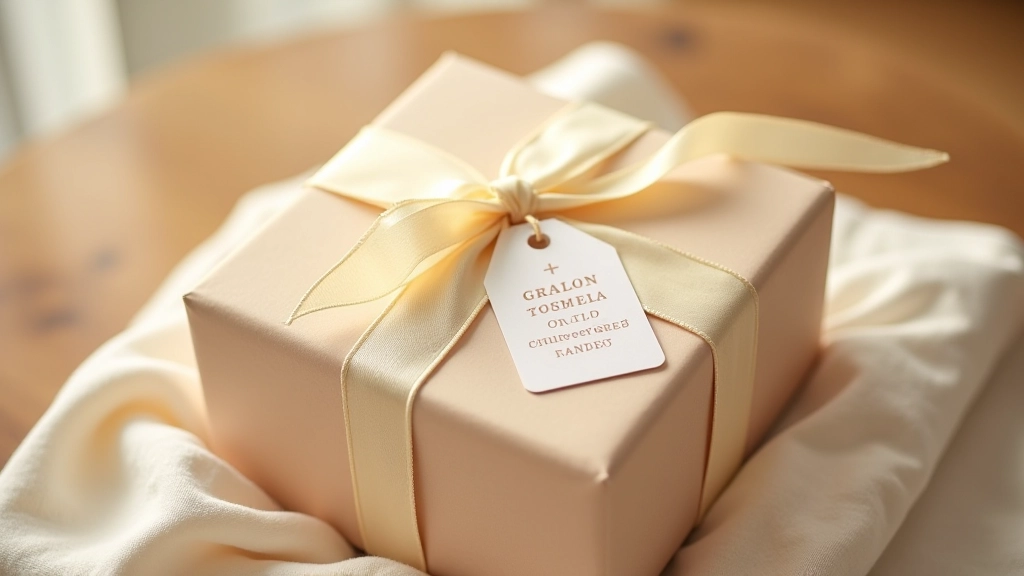
What separates a thoughtful keepsake from something mass-produced? We cover the details that make the difference.